1. Isolate the space
The team closes the area, marks it off and keeps staff, tenants and visitors away until work is finished.
Yakima, WA · Yakima County
Is it safe to clean fentanyl residue yourself? Usually not. In Yakima, call (877) 812-4220 and let a cleanup team handle containment, dust control and decontamination.
If anyone is in danger, call 911 first. For a suicide crisis, call or text 988.
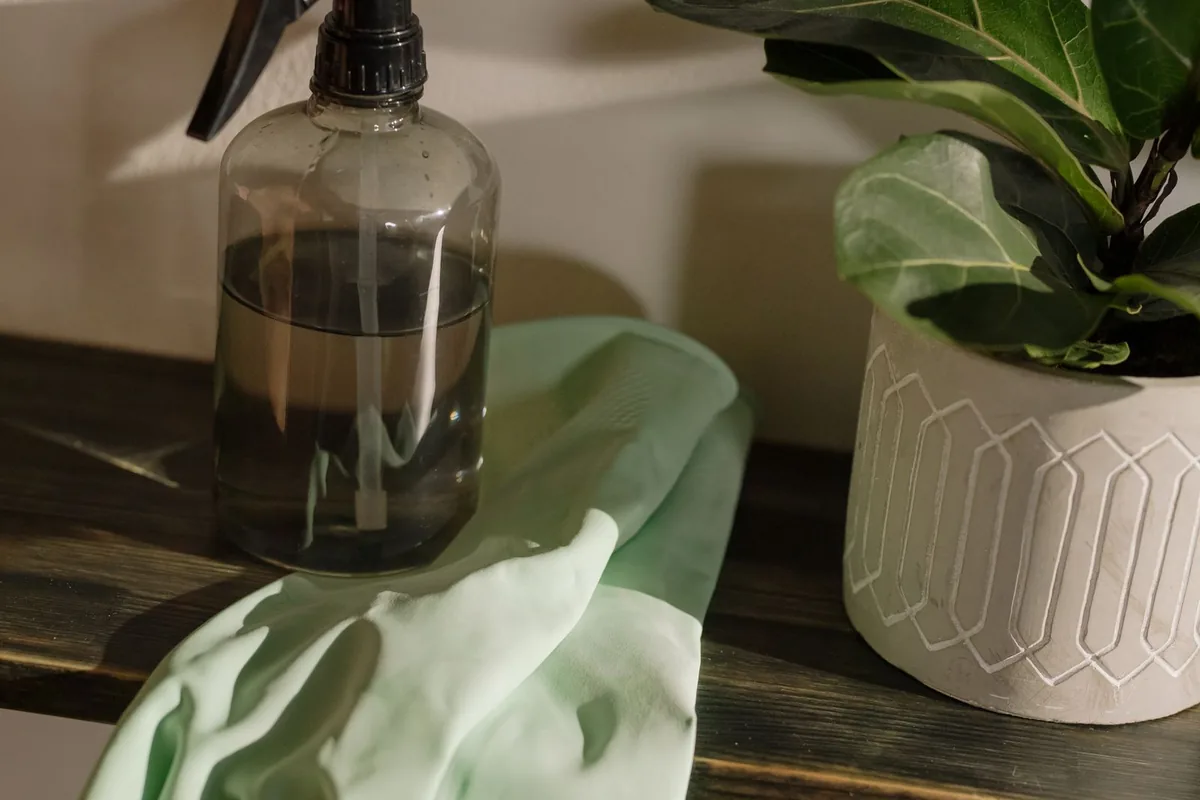
Drug residue decontamination is a form of biohazard cleanup that deals with chemical, not infectious, hazards. Protective equipment, containment and disposal rules are part of the job.
Have questions about unknown powders, exposure risks and cleaning? Owners in Yakima can ask Yakima Biohazard Cleanup Help in a calm call with no judgment. You get help focused on making your space in Yakima County safe.
With about 46% of Yakima households renting, property managers are often the ones who find residue at move-out. If anyone cannot be woken or is breathing slowly, call 911. The nearest emergency room to Yakima is Astria Toppenish Hospital in Toppenish, about 26 miles away.
Fentanyl Decontamination in Yakima usually includes:
The team closes the area, marks it off and keeps staff, tenants and visitors away until work is finished.
Cleanup technicians enter in protective gear and avoid stirring up powder with fans, brooms or dry cloths.
Residue is lifted and bagged. Hard surfaces are cleaned. Soft materials that cannot be cleaned are discarded.
Waste is sealed, labeled and hauled away. A final walk-through checks that the work is complete.
Most fentanyl decontamination jobs in Yakima, WA cost between $3,000 and $30,000, based on published cost guides.
Vehicles and tight spaces take careful, slow work, while open rooms with hard floors may go faster.
| Type of job | Typical range |
|---|---|
| Fentanyl cleanup | $5,000 - $30,000+ |
| Fentanyl cleanup | $3,000 - $20,000 |
Figures are planning ranges from Biohazard cleanup company pricing guide, not a price for any specific Yakima property. Price drivers include area affected, testing before and after, protective gear and disposal, materials that must be removed. Call (877) 812-4220 any hour.
Vehicles are small, closed spaces, so residue can build up on seats, carpets and vents. Crews use the same careful methods as in a building, and soft materials may need to be removed. Ask whether the team cleans vehicles and how soft materials are treated.
A careful cleanup removes the residue it covers, and a final inspection checks the work. Rules for testing vary by place. Ask the team what was done and what was not checked, and ask the local health department what applies.
It is not recommended. Sweeping, wiping and vacuuming can lift fine powder into the air. Leave the area, keep people and pets out, and call 911 in an emergency or Poison Control with questions. Then ask a cleanup team about decontamination.
Contaminated materials are sealed in labeled containers and hauled away. Rules vary by location, and some waste may need special handling. Ask the team how its waste is hauled and disposed of, and ask for records at the end of the job.
It is the careful removal and cleaning of fentanyl powder or residue from a home, vehicle or workplace. Cleanup crews wear protective gear, control the air, collect residue without raising dust, clean surfaces and seal waste. A record of the work is usually available at the end of the job.
It depends on the size of the space, how far residue has spread, the materials involved and the gear needed. A cleanup team can give a real price after seeing or hearing about the site, and it should explain what is included before work starts.
Ask about discreet arrival in an unmarked vehicle if privacy matters.
Call (877) 812-4220